


29 October 2026
Buying a Used Car in Nigeria: The Complete Checklist
A used car can save you a lot of money, or cost you a lot if you miss the warning signs. Use this checklist to inspect the car, test-drive it, verify its papers and pay safely before you hand over a single naira.
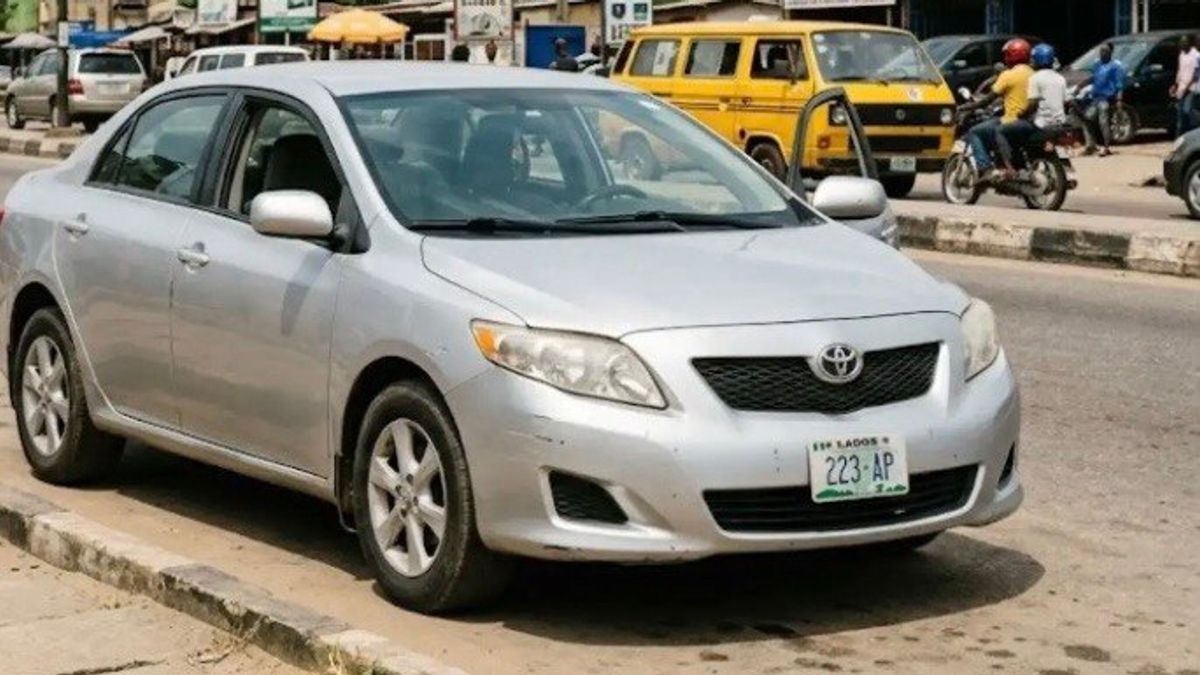
For most Nigerians, a car is one of the biggest purchases they will make, and buying used is often the smartest way to get reliable wheels at a fair price. But a used car can hide expensive problems. This checklist walks you through what to check before you hand over any money.
Set your budget first
Your budget is more than the asking price. Set aside money for registration or change of ownership, insurance, a mechanic’s inspection, and early maintenance like oil, filters, tyres and battery. A car that is slightly cheaper but needs major work is rarely a bargain.
Tokunbo or Nigerian-used?
Tokunbo (foreign-used) cars are imported after use abroad, while Nigerian-used cars have already been driven locally. Tokunbo cars often have fewer local miles, while Nigerian-used cars can be cheaper and come with local service history. Either can be a good buy if the specific car checks out.
Exterior inspection
- Walk around the car in daylight and look for uneven paint, which can signal accident repairs.
- Check panel gaps; uneven gaps may mean the body was straightened.
- Look under the car for rust and leaks.
- Inspect all four tyres for uneven wear, which can point to alignment or suspension issues.
- Confirm all lights, indicators and wipers work.
Under the bonnet
- Check the engine oil. Very dark, sludgy or milky oil is a warning sign.
- Look for leaks around the engine and gearbox.
- Listen for knocking or ticking when the engine starts cold.
- Watch the exhaust. Blue smoke suggests burning oil; thick white smoke can mean coolant problems.
Inside the car
Test the AC, because Nigerian heat makes it essential and repairs can be costly. Check the dashboard for warning lights after the engine starts. Test windows, locks, the radio and seat adjustments. A strong musty smell can point to past flood damage, which is common in some cities during rainy season.
The test drive
Drive on both smooth roads and rougher ones if you can. Pay attention to how the car brakes, whether it pulls to one side, how smoothly the gears change, and any noises over bumps. If the seller refuses a test drive, walk away.
Bring a mechanic
Even if you know cars, a trusted mechanic can spot issues you would miss. Many will run a computer diagnosis to read fault codes. The small fee can save you from a very costly mistake.
Verify the documents
Ask to see the car’s papers and make sure the names and details match the seller and the car itself. Typical documents include proof of ownership, vehicle licence, roadworthiness certificate, insurance, and customs papers for imported cars. Match the chassis (VIN) number on the papers to the one on the car. Requirements can change, so confirm current rules with your state’s licensing authority. Our guide to car documents to check before buying covers each one in detail.
Pay safely
Never pay a deposit for a car you have not seen in person. Confirm transfers have landed in the seller’s account, get a signed receipt or sale agreement, and collect all keys and documents at the point of payment.
Frequently asked questions
Is it better to buy tokunbo or Nigerian-used?
It depends on the specific car. Condition, history and documents matter more than the label.
Can I trust the mileage on a used car?
Not always. Compare the mileage with the wear on pedals, steering wheel and seats, and ask for service records.
Should I pay before the mechanic checks the car?
No. Always inspect first, then negotiate, then pay.
Find your next car on Reusers
Browse new and used vehicles near you on Reusers, compare listings, and manage your interest in the app.
Browse listings on Reusers
Explore new and used vehicles, gadgets, home appliances and more near you.