


31 October 2026
Okrika and Thrift Fashion in Nigeria: How to Shop Smart
Okrika and thrift fashion can get you quality clothes for a fraction of the price, if you know what to look for. Here’s how to find good pieces, check their condition, avoid bad buys and keep your pre-owned wardrobe fresh.
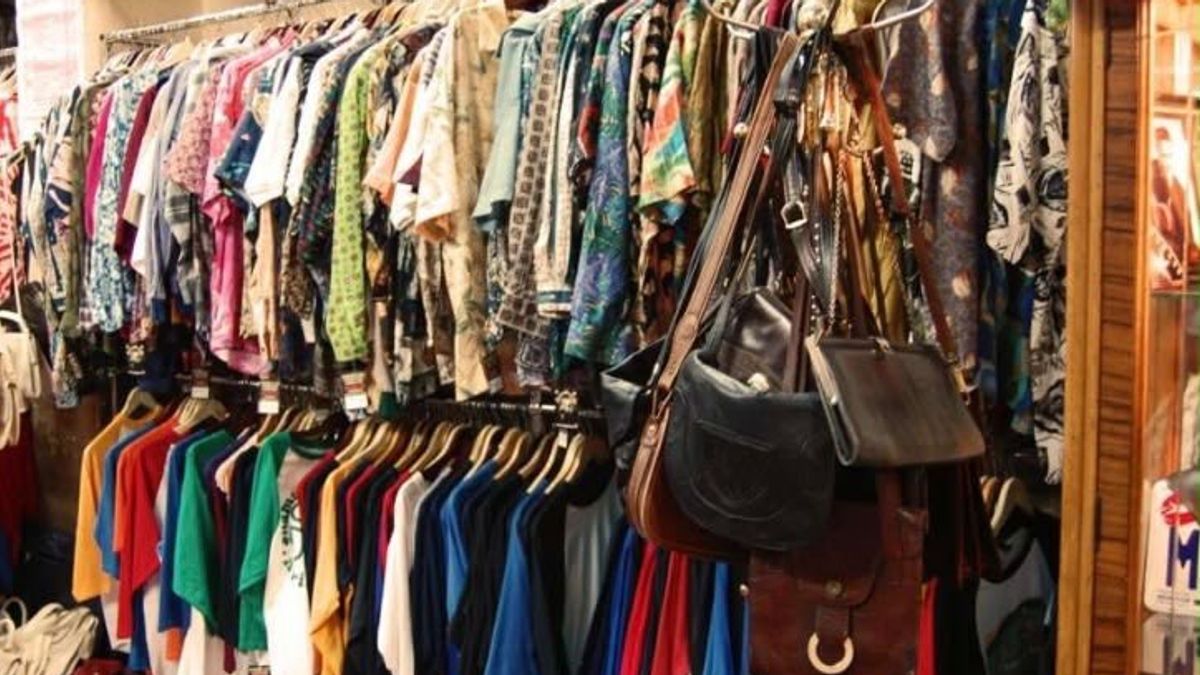
Okrika has come a long way. What was once seen as a last resort is now a smart choice for students, young professionals and anyone who wants good clothes without paying boutique prices. With new clothing prices rising, more Nigerians are discovering that pre-owned fashion can mean better brands, better fabric and more money left in your pocket. The key is knowing how to shop.
What is okrika?
Okrika is the popular Nigerian name for secondhand clothing, much of it imported in bales and sold in markets, shops and, increasingly, online. Thrift fashion more broadly includes any pre-owned clothing, shoes and bags, whether imported or sold locally by people who no longer wear them.
Why shop pre-owned?
- Lower prices. You can often get quality pieces for much less than new.
- Better quality for the money. Many pre-owned items come from brands whose new prices are out of reach.
- Unique style. Thrift pieces help you stand out instead of wearing what everyone else bought this season.
- Less waste. Every pre-owned item you wear is one less item thrown away.
Where to find good thrift fashion
Markets. Well-known okrika markets in big cities, such as Yaba and Katangowa in Lagos, offer huge variety, but you need patience and a good eye.
Bale openings. Many sellers announce when they open a fresh bale. The first picks from a new bale, often called “first grade” or “first selection”, usually have the best pieces, though at higher prices.
Online marketplaces. On Reusers, you can browse the fashion category by location and find pre-owned clothes from people near you, including items in excellent condition from people decluttering their wardrobes.
How to check condition before you buy
Take a few minutes with every item. It saves you from regret later.
- Hold it up to the light. Look for thin patches, small holes and moth damage.
- Check the armpits, collar and cuffs. These areas show sweat stains, discolouration and wear first.
- Test zips, buttons and snaps. Missing buttons are easy to replace; broken zips cost more.
- Look at the seams. Pull gently. Seams should hold firm without gaps.
- Smell it. A strong musty smell can be hard to remove completely.
- Check the label. Fabric content and care instructions tell you how the item will hold up and how to wash it.
Getting the right fit
Sizes vary between brands and countries, so do not rely on the label alone. Try items on where possible. If you cannot, measure a piece that fits you well at home and compare it with the item, focusing on chest, waist, length and shoulder width. Simple alterations from a local tailor can turn a near-fit into a perfect fit, so factor that cost in.
Smart shopping habits
- Go with a list. Know what your wardrobe actually needs so you do not overbuy.
- Set a budget. Cheap prices make it easy to spend more than you planned.
- Negotiate politely. Bargaining is normal, especially when buying several pieces.
- Prioritise quality basics. Good jeans, shirts, jackets and shoes give you the most value.
- Watch out for fakes. If a “designer” item is priced too low, check the details. Our guide to spotting fake designer bags and sneakers can help.
Washing and caring for thrift clothes
Wash every new pre-owned item before you wear it. Follow the care label, and use warm water where the fabric allows. A little vinegar or baking soda in the wash can help remove lingering odours. Dry items in the sun when the fabric can take it, as sunlight helps freshen clothes. For delicate pieces, hand-wash or use a gentle dry cleaner. Iron or steam before wearing to restore shape.
Turn your own wardrobe into cash
Thrift fashion works both ways. Clothes you no longer wear could be exactly what someone else is looking for. List them on Reusers to sell, rent out occasion wear for events, or donate them to someone nearby who can use them.
Frequently asked questions
Is okrika clothing safe to wear?
Yes, as long as you inspect it and wash it properly before wearing.
What is the difference between okrika and thrift?
Okrika usually refers to imported secondhand clothing, often sold from bales. Thrift is a broader term for any pre-owned fashion, including clothes sold locally by their previous owners.
How do I get the best okrika pieces?
Shop early, especially at fresh bale openings, inspect every item carefully and know your measurements.
Can I sell my used clothes in Nigeria?
Yes. You can list clean, wearable clothes in the fashion category on Reusers for buyers near you.
Find pre-owned fashion near you on Reusers
Browse the fashion category on Reusers to discover pre-owned clothes, shoes and bags near you, or list the pieces you no longer wear and give them a second life.
Browse listings on Reusers
Explore new and used vehicles, gadgets, home appliances and more near you.